


Article Snapshot (Key Takeaways)
Granite is a typical hard rock with a Mohs hardness of 6-7 and silica content exceeding 70%. This composition makes it highly abrasive, leading to rapid wear on crushing equipment. Standard impact crushers are economically unviable due to their high maintenance costs and short service life in such applications.
The only viable solution for granite is a "Jaw + Cone" two-stage compression crushing setup. This configuration utilizes laminated crushing principles to efficiently reduce large feed sizes while maintaining the structural integrity of the equipment, ensuring optimal wear-to-production ratios.
To achieve a stable output of 100-150 tons per hour (TPH), SUHMAN recommends the SE-650D Mobile Jaw Crusher as the primary stage paired with the SY-HP200 Mobile Cone Crusher for secondary reduction. This combination is specifically engineered to handle the rigors of high-silica hard rock.
Dust and noise control are critical in hard rock operations. Integrating a pulse bag filter system with a capacity of 20,000-50,000 m³/h ensures dust emissions remain below 10 mg/m³, meeting stringent international environmental standards without compromising production uptime.
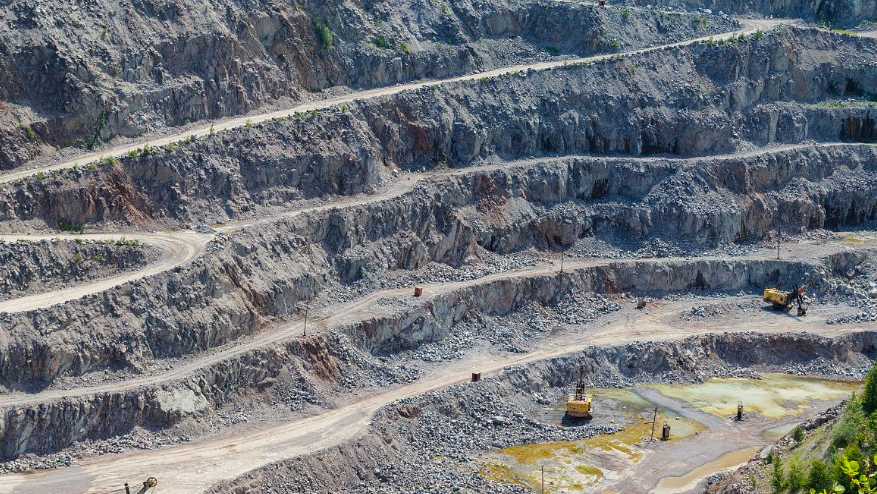
Designing a 100-150 ton-per-hour (TPH) crushing and screening plant for granite requires a specialized engineering approach that differs significantly from configurations designed for softer materials like limestone. Granite, characterized by its coarse grain and high hardness, presents unique challenges due to its abrasive nature and interlocking crystal structure. An incorrect equipment selection can lead to exorbitant spare parts consumption and frequent, costly downtime.
This comprehensive guide outlines the optimal engineering blueprint for establishing a productive and profitable granite processing line using SUHMAN's industry-leading mobile crushing solutions.
Understanding Granite: The "Tough Nut" of Aggregates
Before delving into the machinery, it is crucial to understand the raw material. Granite is an igneous rock composed mainly of quartz, feldspar, and mica. Its physical properties dictate the entire plant design:
Mohs Hardness: Ranges between 6 and 7, making it one of the hardest naturally occurring materials commonly used in construction.
Silica Content: Often exceeds 70%. Silica is highly abrasive, acting like sandpaper on metal surfaces.
Brittleness vs. Toughness: While brittle, its toughness means it requires significant compressive force to fracture, rather than just impact.
The "Jaw + Cone" Doctrine: Why Compression Crushing Wins
A common mistake in the industry is attempting to use an impact crusher for primary or secondary granite reduction. While impact crushers work well for soft rock, they fail miserably with granite.
The Problem with Impact:
Impact crushers rely on high-speed rotors throwing rocks against aprons. When these hammers strike silica-rich granite, they suffer catastrophic wear. In many cases, hammers may need replacement every few hundred hours, leading to skyrocketing operational costs and inconsistent particle shapes.
The SUHMAN Solution: Lamination Crushing
SUHMAN adheres to the "Jaw + Cone" iron law for granite. Both the jaw and cone crushers operate on the principle of compression. They apply immense squeezing force, causing the rock to fracture along its natural weaknesses (joints and cracks). This method not only extends the life of wear parts by up to 400% compared to impactors but also produces superior end-product quality.

Step-by-Step Equipment Selection for 100-150 TPH
Designing the flow sheet involves a logical progression to ensure no bottlenecks.
Step 1: Primary Crushing (Jaw Crusher)
The goal here is to take large boulders (typically 500mm or less) and reduce them to a manageable size (around 150mm).
Recommended Model: SUHMAN SE-650D Mobile Jaw Crusher
Justification: The SE-650D features a powerful Caterpillar C9/C13 engine option and a deep crushing chamber. It is capable of processing 50-130 TPH depending on feed size and CSS (Closed Side Setting). Its heavy-duty pitman and fully welded frame are stress-relieved to withstand the shock loads of hard rock.
Step 2: Secondary Crushing (Cone Crusher)
After the jaw, the material needs fine-tuning to meet specific aggregate grades.
Recommended Model: SUHMAN SY-HP200 Mobile Cone Crusher
Justification: The SY-HP200 is a high-efficiency cone built for abrasive applications. With a processing capacity of 180-280 TPH, it provides ample surplus power for the 100-150 TPH target, ensuring it never runs overloaded. This prevents overheating and premature failure of the eccentric bushing.
Step 3: Screening (Vibrating Screen)
The final step is classification and stockpiling.
Recommended Model: SUHMAN SS-7018 Mobile Inclined Screen
Justification: Featuring three or four decks, the SS-7018 can simultaneously produce multiple fractions (e.g., 20-40mm, 10-20mm, 5-10mm, and <5mm sand). Its banana-style decks ensure high vibration intensity, preventing pegging (blinding) of the screens even with wet and sticky granite fines.
Optimizing the Production Flow
The efficiency of the plant depends heavily on how the material moves through it.
The Flow Sequence:
Feeding: Use a vibrating grizzly feeder to scalp off fines before they enter the jaw crusher. This improves the crusher's efficiency and reduces dust in the plant.
Conveying: All transfer points must utilize belt conveyors with a minimum width of B800mm. Conveyor belts should be heat-resistant and have a high-tensile strength to carry the heavy load of granite.
Dust Suppression: Install dust collectors at the discharge points of the jaw and cone crushers, as well as covering the main transfer conveyors with telescopic dust covers.
Power, Fuel, and Infrastructure Requirements
Operating a 100-150 TPH granite line is energy-intensive. Proper planning for utilities is essential.
Total Installed Power: Approximately 150-200 kW. The SY-HP200 cone is the most power-hungry component.
Power Options: SUHMAN plants can be configured for either electric mains power (utilizing an on-board generator set) or full diesel power for remote sites.
Fuel Consumption: Expect a diesel consumption rate of around 25-35 liters per hour during full operation.
Site Preparation: Unlike fixed plants, SUHMAN mobile crushers require no concrete foundations. However, the ground must be level and capable of supporting the weight of the machines (total plant weight can exceed 50 tons).
Wear Parts Strategy: Managing the Abrasion
Because granite is abrasive, the cost of consumables must be factored into the business model.
Jaw Plate Life: Typically lasts 800-1200 hours depending on the feed size. SUHMAN uses high-manganese steel (Mn13Cr2) which can be rebuilt using weld-on procedures if minor wear occurs.
Cone Mantle & Bowl Liner: These tend to wear faster than jaws because the material spends more time in the crushing zone. A strategic stock of spare liners is recommended.
Screen Media: Rubber or polyurethane screens last longer than traditional steel wire mesh in granite applications, although steel offers better abrasion resistance for very coarse separation.
Environmental and Safety Compliance
Modern quarries are under increasing pressure to reduce their environmental footprint.
Noise Control: Enclose the SY-HP200 cone crusher in a soundproof canopy. The noise level can be reduced from over 110 dB to below 85 dB at the operator's station.
Water Management: Although granite is usually processed dry, a water sprinkler system on the primary jaw discharge can drastically cut down on nuisance dust without affecting the quality of the dried aggregate.
Economic Analysis and ROI
Investing in the right equipment pays dividends in the long run.
Capital Expenditure (CapEx): A complete 100-150 TPH SUHMAN mobile plant represents a significant upfront investment but eliminates the cost of civil works and foundation construction.
Operational Expenditure (OpEx): Thanks to the durability of the "Jaw + Cone" setup, OpEx is significantly lower than alternative configurations. Reduced maintenance hours mean more time crushing.
Revenue Potential: High-quality granite aggregates command premium prices in infrastructure projects. Producing clean, well-shaped particles minimizes waste and maximizes the value of each ton processed.
Conclusion and Next Steps
Building a 100-150 TPH granite crushing and screening plant is not just about buying machines; it is about integrating engineering principles with the physical properties of the rock. By adhering to the "Jaw + Cone" compression philosophy, utilizing robust equipment like the SUHMAN SE-650D and SY-HP200, and implementing rigorous dust and wear management protocols, operators can establish a highly efficient and profitable operation.
Frequently Asked Questions (FAQ)
Q1: Can I use an impact crusher if I change the hammers frequently?
A: While technically possible, it is economically unviable. In granite, impact crusher hammers last only 300-500 hours. The downtime for replacements and the high cost of consumables will make your project unprofitable. A cone crusher is the only sustainable choice.
Q2: How does the SY-HP200 ensure the flakiness index stays below 8%?
A: The SY-HP200 utilizes lamination crushing. Instead of crushing the rock against a metal plate, the machine fills the chamber with rock and crushes it via "rock-on-rock" interaction. This forces the material to break along natural fracture lines, producing a uniform, cubic shape.
Q3: What does the 2-year SUHMAN warranty cover?
A: The warranty covers all core components: main shafts, bearings, electric motors, and the entire hydraulic system. This protects you from manufacturing defects and ensures peace of mind during the critical early stages of your operation.
Q4: How long does it take to move the SUHMAN plant to a new site?
A: Thanks to the crawler chassis, relocation is fast. Once production stops, the units can be walked to a new position or onto a transport trailer. Setup at a new site (leveling and connecting conveyors) typically takes only 2-3 hours.
Q5: Is the dust collection system enough for granite crushing?
A: Yes. Granite crushing is primarily a dry process. The SUHMAN pulse bag filter system effectively captures airborne dust, ensuring emissions are well below the standard limit of 10 mg/m³.